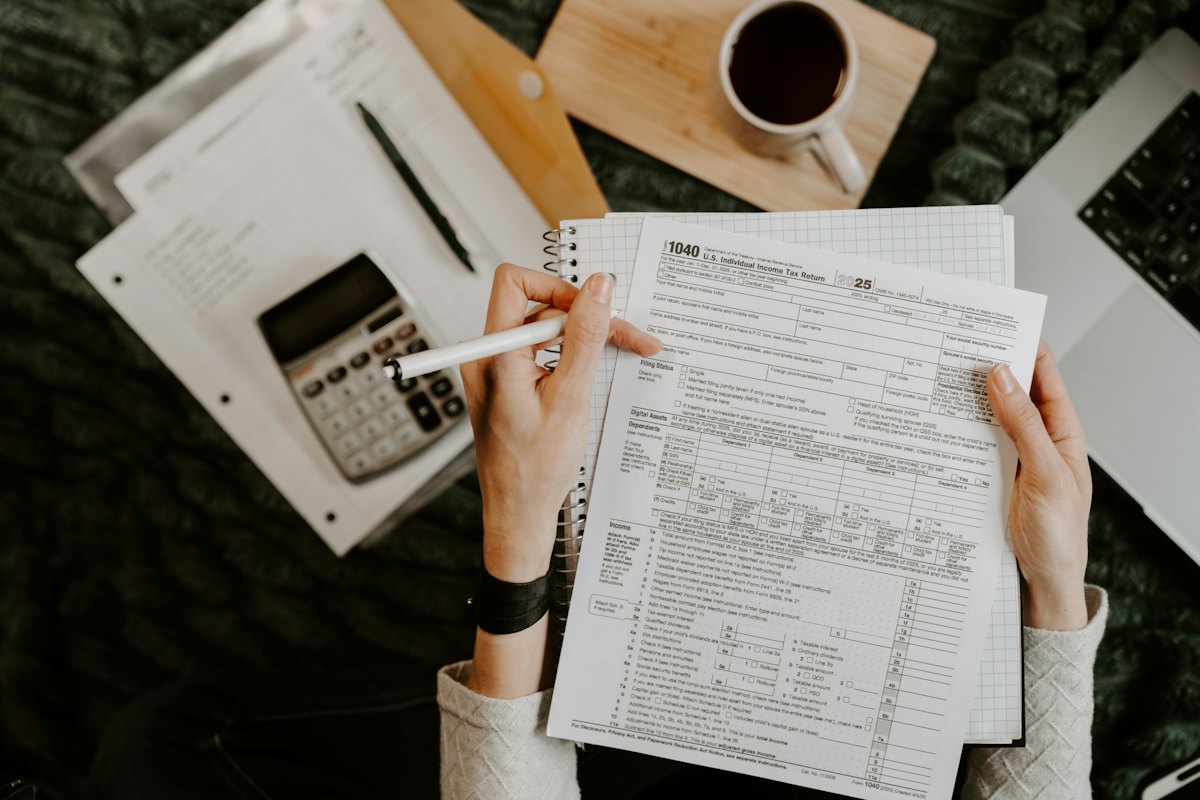


Filing tax returns is a crucial part of ensuring compliance with tax laws. Whether you’re an individual taxpayer or a business owner, understanding the differences between personal and business tax returns can help you navigate the process more effectively. Below, we’ll explore the key distinctions between the two and why they matter.
1. What Is a Personal Tax Return?
A personal tax return refers to the tax documentation an individual submits to report their income, expenses, and tax obligations. In the UK, this is typically done through a Self-Assessment tax return. Personal tax returns are filed by individuals who have income beyond their salary (such as freelancers, investors, or those with rental income) or are required to report certain tax deductions.
A personal tax return includes:
- Income: This can include earnings from employment, self-employment, rental income, pensions, and savings.
- Deductions: These might be for personal allowances, pension contributions, and charitable donations.
- Tax Payments: The return determines the amount of tax owed or the refund due based on your reported income.
2. What Is a Business Tax Return?
A business tax return is the tax documentation filed by a business or self-employed individual to report its earnings, expenses, and tax obligations. The form you file depends on your business structure, such as a sole trader, limited company, or partnership. For example, if you’re a limited company, you’ll need to file a Corporation Tax Return (CT600) alongside the company’s annual accounts.
Business tax returns involve:
- Income: Total earnings from selling goods or services.
- Business Expenses: Deductions for business-related expenses such as office supplies, wages, rent, and other operational costs.
- Taxable Profits: The net income after deducting allowable expenses, which is subject to tax.
- Corporation Tax: For limited companies, this is a separate tax return where the company pays tax on its profits.
3. Key Differences in Reporting Income
- Personal Tax Returns: Income reported on personal tax returns is typically from employment, freelance work, or investment activities. It reflects personal earnings that may also include allowances or tax reliefs specific to an individual’s circumstances.
- Business Tax Returns: Business tax returns focus on the company’s earnings from its core operations. For limited companies, this includes all income generated by the business, minus business-related expenses and costs.
4. Deductions and Allowances
- Personal Tax Returns: Individuals can claim personal allowances and tax reliefs, such as for pension contributions, charitable donations, and marriage allowances.
- Business Tax Returns: Businesses can claim a wider range of deductions related to their operational costs. This includes salaries, office expenses, inventory costs, business vehicle usage, and more. Limited companies also pay tax on the profits after expenses are deducted.
5. Tax Deadlines and Payments
- Personal Tax Returns: The tax year for individuals runs from April 6 to April 5 of the following year, and the deadline for submitting a Self-Assessment tax return is usually January 31 following the end of the tax year. The tax payment deadline is also January 31.
- Business Tax Returns: The deadlines for business tax returns vary based on the business structure. Sole traders generally file alongside personal returns, but limited companies have a distinct Corporation Tax return deadline, typically within 12 months after the end of the accounting period.
6. Who Needs to File a Business Tax Return?
- Sole Traders: If you’re self-employed and operating as a sole trader, your business income and expenses are reported on your personal Self-Assessment tax return. This includes any self-employed income along with other personal earnings.
- Limited Companies: If you run a limited company, your business is considered a separate legal entity. You’ll need to file a Corporation Tax return and report on the company’s profits and expenses, along with annual financial statements.
- Partnerships: In the case of partnerships, each partner must file their personal tax return to report their share of business income. The partnership itself submits a separate partnership tax return detailing the overall earnings.
7. Tax Rates and Liabilities
- Personal Tax Returns: Personal income is taxed according to income tax brackets, with rates depending on the amount earned. The rates are progressive, with higher rates applying to larger incomes.
- Business Tax Returns: Limited companies are subject to Corporation Tax on profits. The rate varies depending on the company’s profits. Self-employed individuals, on the other hand, pay tax on their business profits through the Self-Assessment system, subject to income tax and National Insurance.
Conclusion
In summary, the primary difference between personal and business tax returns lies in the type of income being reported, the deductions you can claim, and the types of taxes you pay. Personal tax returns deal with individual income, while business tax returns focus on business income, expenses, and corporate tax liabilities.
Understanding these differences ensures that you file your tax returns correctly, avoid penalties, and make the most of any available tax deductions or allowances. If you’re uncertain about which form to file or need help with your tax return, consulting with a tax professional can save you time and reduce the risk of errors.
Official guidance and related services
For the official rules, see:
- GOV.UK – Self Assessment tax returns
- GOV.UK – Check if you need to send a tax return
- GOV.UK – Income Tax rates and allowances
Want this handled for you? See our Self Assessment tax returns service or browse all our services. We agree a fixed fee upfront. Get in touch.