

Self-assessment tax filing can feel overwhelming, but with proper preparation, the process becomes much easier. Here’s a step-by-step guide to help you get ready and avoid any stress or errors:
1. Register Early for Self-Assessment
Ensure you are registered with HMRC for self-assessment if you haven’t already done so. Registration is essential for obtaining your Unique Taxpayer Reference (UTR) and setting up an online account for filing.
2. Know the Key Deadlines
Stay aware of important deadlines to avoid penalties:
- Paper returns: 31 October
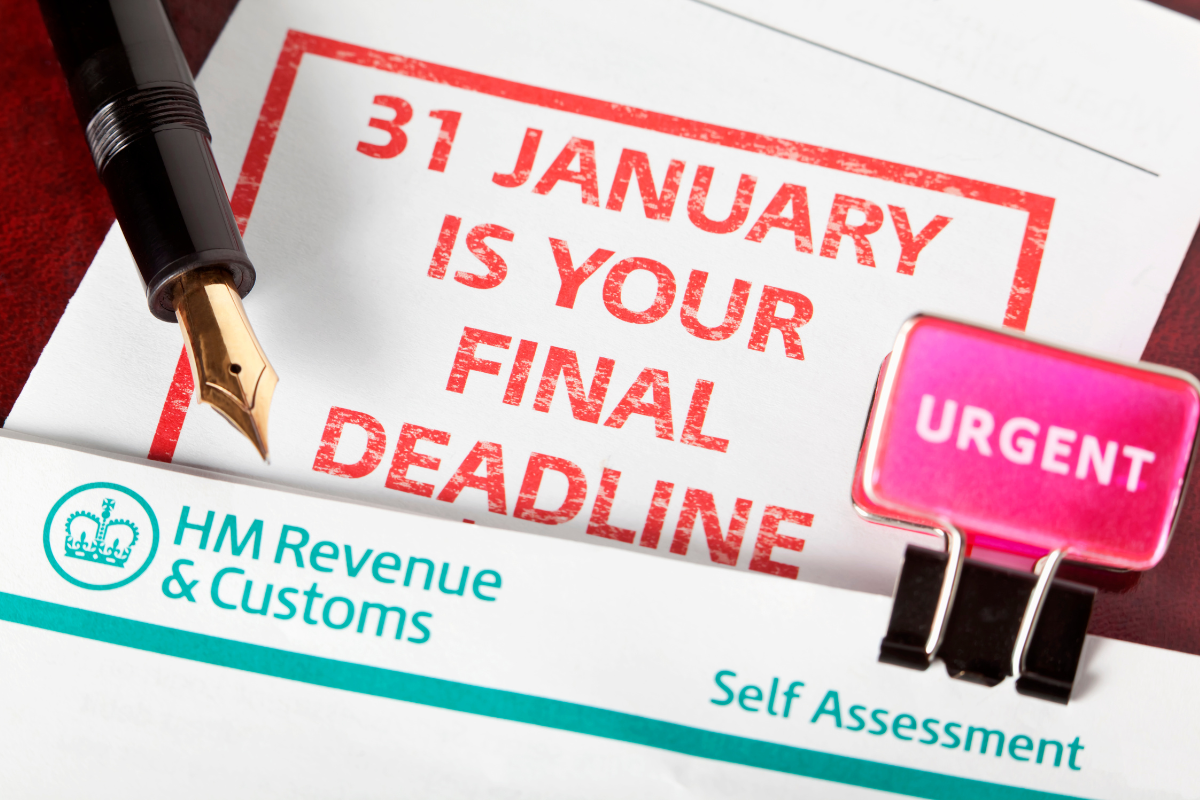
- Online returns: 31 January
- Payment deadline: 31 January
3. Organize Your Financial Records
Gather all relevant documents, including:
- Payslips and P60 forms (if employed)
- Bank statements
- Business income and expense records (if self-employed)
- Dividend vouchers or investment income details
- Details of pension contributions or charitable donations
Good record-keeping is vital to ensure accuracy and minimize the risk of missing deductions or allowances.
4. Understand What You Need to Declare
Ensure you report all taxable income, such as:
- Earnings from employment or self-employment
- Rental income from property
- Dividends, savings interest, or other investment income
- Capital gains from selling assets
5. Claim Allowable Expenses and Deductions
If you’re self-employed, you can claim business expenses, such as office supplies, travel, and utility costs. Additionally, check if you’re eligible for deductions like the Marriage Allowance or pension relief.
6. Use Accounting Software or Hire an Accountant
Consider using HMRC-approved accounting software to simplify record-keeping and calculations. Alternatively, an accountant can help you ensure compliance, maximize tax reliefs, and reduce errors.
7. Double-Check Your Tax Return Before Submitting
Before submitting your return, carefully review all figures to ensure accuracy. Check for typos, mismatched income, or forgotten deductions.
8. Set Aside Money for Tax Payments
Estimate your tax liability and save regularly throughout the year to avoid scrambling for funds at the deadline. Don’t forget to account for payments on account, which are advance payments towards next year’s tax bill.
9. File Early to Avoid Stress
Avoid last-minute filing by completing your return early. Early filing gives you time to correct errors and spreads out the payment timeline if you owe taxes.
10. Communicate With HMRC if You Face Issues
If you encounter difficulties, contact HMRC as soon as possible. They may offer payment plans or guidance to resolve problems.
By following these steps, you can confidently prepare for your self-assessment filing and stay compliant with HMRC requirements.