

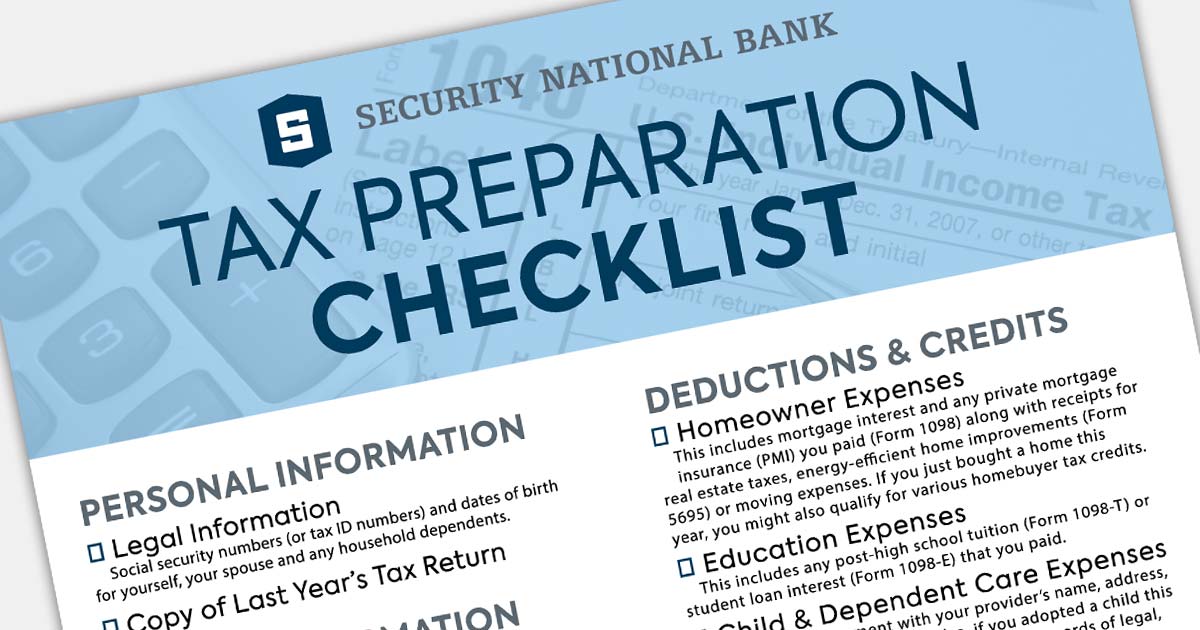

Filing your tax return can be a straightforward process if you have all the necessary documents on hand. Organizing your paperwork in advance ensures accuracy, minimizes stress, and helps you claim all the deductions and allowances you’re entitled to. Here’s a comprehensive list of documents you might need when preparing your tax return.
1. Personal Information
Your personal details are essential for completing your tax return accurately. These include:
- National Insurance Number (NIN): For UK taxpayers, this is a key identifier for HMRC.
- Unique Taxpayer Reference (UTR): If you’re self-employed or need to file a Self-Assessment, this is mandatory.
- Bank Account Details: For direct deposits of refunds or payments to HMRC.
2. Income Documentation
To report your income, you’ll need records from all sources:
- Employment Income: P60 (yearly summary of pay and tax) and P45 (if you’ve left a job during the tax year).
- Self-Employment Income: Invoices, receipts, and a summary of income from your business activities.
- Investment Income: Statements showing interest, dividends, or capital gains from savings accounts, stocks, or other investments.
- Rental Income: Records of rent received, including tenancy agreements.
- State Benefits: Details of benefits like Jobseeker’s Allowance or the State Pension.
- Foreign Income: Documents related to income earned abroad.
3. Expense Records
If you’re eligible to claim deductions or allowances, you’ll need detailed records of your expenses:
- Work-Related Expenses: Receipts for uniforms, tools, and other job-specific items.
- Business Expenses: Costs like office supplies, travel, marketing, and utilities for self-employed individuals.
- Charitable Donations: Records of donations to registered charities.
- Rental Property Expenses: Receipts for maintenance, repairs, and letting agent fees.
- Professional Fees and Subscriptions: Invoices for memberships or subscriptions relevant to your work.
4. Savings and Investments
Ensure you have statements and documentation for:
- ISAs: Interest earned, if applicable.
- Dividends: Dividend statements from shares or mutual funds.
- Capital Gains: Records of asset sales, including purchase and sale prices.
5. Pension and Retirement Contributions
If you’re contributing to a pension, have these documents ready:
- Pension Contribution Statements: Details of contributions to personal or workplace pensions.
- State Pension: Annual statements showing amounts received.
6. Tax Relief and Allowances
RELATED: How Can Small Businesses Optimize Tax Savings?
Gather documentation for any claims:
- Marriage Allowance Transfer: Proof of eligibility and transfer.
- Childcare Costs: Receipts or invoices for eligible childcare expenses.
- Home Office Costs: Evidence of using part of your home for work purposes.
7. Loan and Mortgage Information
If you’re claiming relief on loans, you’ll need:
- Mortgage Interest Statements: For buy-to-let properties.
- Loan Documents: For eligible business or student loans.
8. Previous Tax Records
Keep these handy to compare or reference:
- Last Year’s Tax Return: Helps ensure consistency and identify deductions you claimed previously.
- Tax Payment Receipts: Evidence of payments made to HMRC during the year.
9. COVID-19 Support Grants and Loans
If you received pandemic-related financial support, include:
- SEISS Grant Statements: For self-employed individuals.
- Bounce Back Loans: Details of amounts borrowed and repayments.
10. Other Relevant Documents
Depending on your circumstances, you might need:
- Inheritance Tax Information: If you received an inheritance.
- Trust Income Statements: If you’re a beneficiary of a trust.
- Student Loan Statements: Details of repayments.
How to Stay Organized
- Use accounting software to track income and expenses.
- File documents digitally for easy access.
- Maintain a checklist to ensure nothing is overlooked.
Conclusion
Being prepared with all the necessary documents can make your tax return process smoother and help you maximize deductions and refunds. If you’re unsure about what applies to you, consider consulting a tax professional to avoid errors and penalties.