
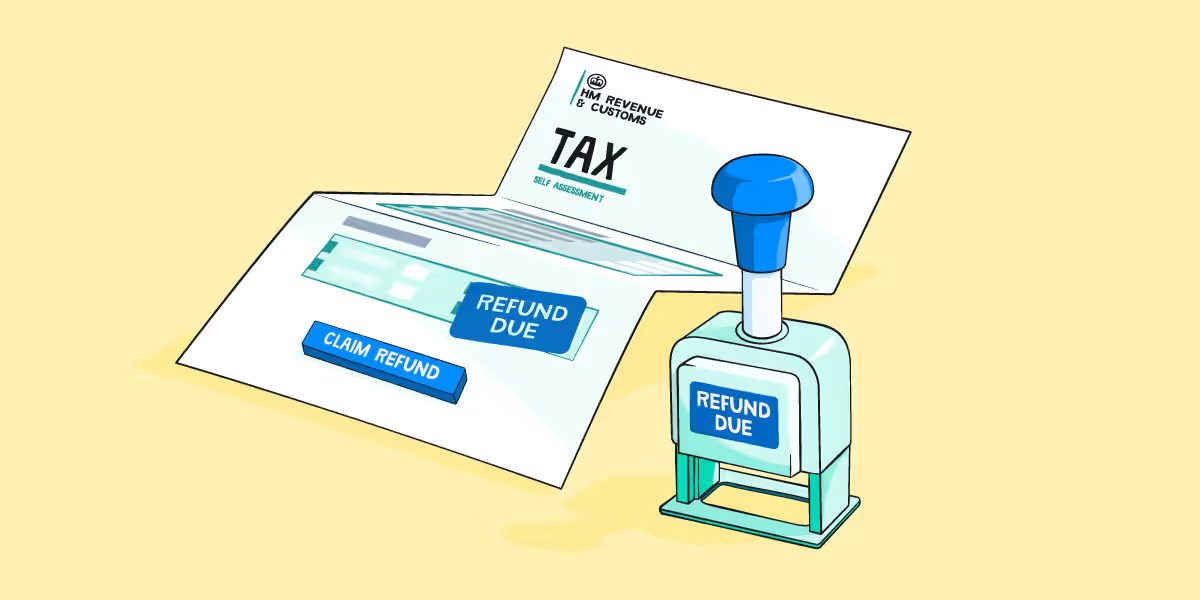

Tax refunds can feel like a welcome bonus, but they’re actually just HMRC (Her Majesty’s Revenue and Customs) returning money that you overpaid during the tax year. Whether you’re an individual taxpayer, self-employed, or running a business, understanding how to handle tax refunds is crucial to ensure you recover your money promptly and avoid unnecessary delays. This guide covers everything you need to know about tax refunds in the UK, including why overpayments happen, how to claim your refund, and what to do once you receive it.
What Is a Tax Refund?
A tax refund is the repayment of taxes you overpaid to HMRC. Overpayments can occur for a variety of reasons, such as incorrect tax codes, overestimated income, or errors in your tax return. Refunds are not automatic in all cases, so it’s essential to identify overpayments and take the appropriate steps to recover your money.
- UTR Number: How to Get Yours and Find It If You Have Lost It (2026)
- How to Appeal a Self Assessment Penalty: Reasonable Excuses and Late Penalties (2025/26)
- Self Assessment Deadline 31 January 2027: What to Do Now
- Managing Capital Gains Tax on Inherited Property UK
- Expert Capital Gain Tax Accountant, Letting Relief Advice
Common Reasons for Overpaying Tax
Tax overpayments can happen due to several factors, including:
Incorrect Tax Codes Employees in the UK are assigned a tax code that determines how much tax is deducted from their salary. If your tax code is wrong, you might overpay. For example, this can happen if HMRC doesn’t update your tax code after changes in your employment, benefits, or personal circumstances.
Overpayment on Self-Assessment If you file a self-assessment tax return and overestimate your income or underreport your allowable expenses, you may pay more tax than necessary. Adjusting your figures and notifying HMRC can lead to a refund.
Multiple Jobs If you have more than one job, your second employer may apply a basic rate tax code (BR) without accounting for your personal allowance. This could result in overpayment if your total income is within the personal allowance limit.
Emergency Tax Codes When starting a new job, your employer might use an emergency tax code temporarily, which doesn’t account for your personal allowance or other circumstances. This can result in overpayment until your tax code is updated.
Early Pension Withdrawal If you withdraw a lump sum from your pension, it may be taxed at an emergency rate. HMRC often applies emergency tax codes in such cases, leading to overpayment.
Other Circumstances
- Leaving the UK partway through the tax year.
- Significant changes in income or employment.
- Claiming tax reliefs or allowances late.
- Overpayments in PAYE (Pay As You Earn) deductions.
How to Check if You’ve Overpaid Tax
To determine whether you’re eligible for a refund, follow these steps:
- Review Your Tax Code Check your tax code on your payslip, P45, or P60. If the code doesn’t match your personal circumstances, you may have overpaid.
- Check Your Income and Deductions Review your income and the tax deducted throughout the tax year. Compare this to the personal allowance and tax bands for the relevant tax year. HMRC’s tax calculator can help you estimate your liability.
- Review Your Self-Assessment If you’re self-employed or have additional income, review your self-assessment tax return to ensure all expenses, allowances, and reliefs were correctly applied.
- Contact HMRC If you’re unsure whether you’ve overpaid, contact HMRC for clarification. You’ll need to provide details such as your National Insurance number and tax reference.
How to Claim a Tax Refund
Once you’ve confirmed you’ve overpaid, the next step is to claim your refund. Here’s how to go about it:
1. PAYE Refunds If you’re employed and overpaid through PAYE, HMRC usually adjusts your tax code automatically or issues a refund via your employer. If you don’t receive a refund, contact HMRC to claim it.
2. Self-Assessment Refunds When filing a self-assessment tax return, HMRC calculates your liability and notifies you of any overpayments. You can request a refund during the online filing process by providing your bank account details for direct payment.
3. Pension Withdrawal Refunds For overpayments on pension withdrawals, you’ll need to complete one of the following forms, depending on your situation:
- P50Z: If you’ve emptied your pension pot and no other income is taxable.
- P53Z: If you’ve emptied your pension pot and have other taxable income.
- P55: If you’ve withdrawn part of your pension pot and paid too much tax.
4. Manual Refund Requests In cases where refunds aren’t processed automatically, you’ll need to submit a claim. This involves:
- Logging into your personal tax account on the HMRC website.
- Selecting the option to claim a tax refund.
- Providing details of your income, tax paid, and any allowances or reliefs.
5. Leaving the UK If you leave the UK partway through the tax year, you can claim a refund using the P85 form. This applies if you’ll no longer be a UK resident and have overpaid tax on your earnings or pension.
How Long Does It Take to Receive a Tax Refund?
The time it takes to process a refund depends on how you claim it:
- Online Claims: Refunds are usually processed within 5 working days and paid directly into your bank account.
- Paper Claims: If you claim via post, refunds can take up to 8 weeks to process.
- Self-Assessment Refunds: Refunds claimed through self-assessment are typically processed within 10 working days if submitted online.
If you’re waiting for a refund and it hasn’t arrived within the expected time, contact HMRC to check the status of your claim.
What to Do After Receiving a Tax Refund
Once you’ve received your tax refund, it’s essential to handle the money wisely. Here are some tips:
1. Review Your Finances Double-check your refund amount to ensure it matches what you expected. If there’s a discrepancy, contact HMRC immediately.
2. Save or Invest Consider using your refund to boost your savings or invest it in an ISA or pension plan. This can help you grow your wealth while taking advantage of tax-free growth.
3. Clear Debt If you have outstanding debts, such as credit card balances or loans, use your refund to pay them off. This can save you money on interest payments.
4. Adjust Future Tax Payments If overpayment was due to an incorrect tax code or misreported income, ensure the issue is resolved to avoid overpaying in the future. Update your tax code or adjust your self-assessment submissions accordingly.
What Happens If You Don’t Claim Your Refund?
HMRC holds overpaid tax indefinitely, so you won’t lose your money. However, there’s no benefit to delaying your claim. The sooner you recover your refund, the sooner you can put the money to use. Additionally, if you wait too long, you may forget or lose track of your claim.
Common Questions About Tax Refunds
1. Can I Get a Refund for Previous Tax Years? Yes, you can claim refunds for overpayments made in the last four tax years. For example, in the 2024/25 tax year, you can claim refunds for overpayments in 2020/21, 2021/22, 2022/23, and 2023/24.
2. Will HMRC Pay Interest on Refunds? In some cases, HMRC may pay interest on refunds, especially if there was a delay in processing your claim. The interest rate is typically low and taxable.
3. Can I Get a Refund If I Don’t Have a UK Bank Account? If you don’t have a UK bank account, HMRC can issue your refund as a cheque or transfer it to a foreign bank account. Contact HMRC for specific instructions.
4. What Should I Do If I Receive a Refund I’m Not Entitled To? If you receive a refund in error, notify HMRC immediately and arrange to repay the amount. Keeping the money could result in penalties or legal action.
Conclusion
Handling a tax refund in the UK involves understanding why overpayments occur, confirming your eligibility, and following the correct procedures to claim your money. Whether you’re employed, self-employed, or retired, being proactive about checking your tax payments can ensure you don’t miss out on money owed to you. By managing your refund wisely, you can improve your financial situation and avoid future overpayments.
Official guidance and related services
For the official rules, see:
- GOV.UK – Self Assessment tax returns
- GOV.UK – Check if you need to send a tax return
- GOV.UK – Income Tax rates and allowances
Want this handled for you? See our Self Assessment tax returns service or browse all our services. We agree a fixed fee upfront. Get in touch.