

Understanding the tax year in the UK is fundamental for managing your finances, complying with tax regulations, and ensuring you’re paying the right amount of tax. A tax year provides the framework within which income is assessed, taxes are calculated, and various allowances and reliefs are applied. For individuals, businesses, landlords, and investors, being aware of how the tax year works can help you plan your financial activities effectively and avoid unnecessary penalties. In this comprehensive guide, we’ll explore the concept of a tax year, its importance, how it impacts different aspects of taxation, and answer common questions about the system.
What Is a Tax Year?
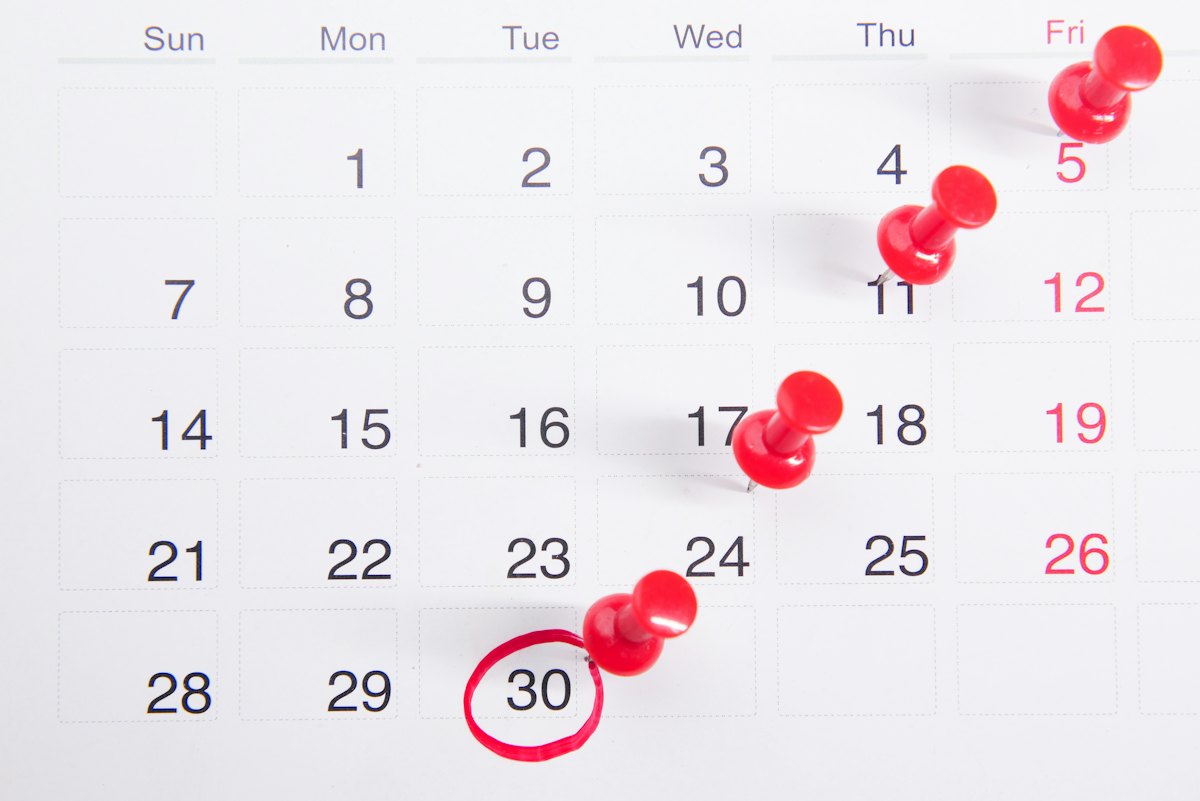
In the UK, the tax year is a 12-month period used by HMRC (Her Majesty’s Revenue and Customs) to assess and collect taxes. It starts on 6 April of one year and ends on 5 April of the following year. For example, the 2024/25 tax year runs from 6 April 2024 to 5 April 2025. The tax year applies to various forms of taxation, including income tax, national insurance contributions, capital gains tax, and inheritance tax.
The concept of a tax year provides a uniform timeline for assessing income, applying allowances, and determining liabilities. For businesses, the tax year may coincide with the company’s accounting year, though this is not mandatory. Individuals and sole traders, however, must adhere to the tax year when filing their personal tax returns and calculating their liabilities.
Why Does the UK Tax Year Start in April?
The seemingly unusual start date of 6 April has historical roots dating back to the 18th century. Before 1752, the UK used the Julian calendar, and the new year began on 25 March (Lady Day). When the UK switched to the Gregorian calendar, an 11-day adjustment moved the start of the fiscal year to 5 April. Later, in 1800, an additional adjustment for leap years pushed the start date to 6 April, where it remains today. While this historical reasoning explains the timeline, it can sometimes confuse those unfamiliar with the UK’s tax system.
How Does the Tax Year Affect Individuals?
The tax year plays a critical role in how individuals are taxed and how allowances and deductions are applied. Here’s how it impacts individual taxpayers:
Income Tax Assessment The tax year is the period during which your income is assessed for income tax purposes. This includes income from employment, pensions, rental properties, savings interest, and dividends. Your total taxable income during the tax year determines the amount of income tax you owe.
Personal Allowance Each tax year, individuals are entitled to a personal allowance, which is the amount of income they can earn tax-free. For the 2024/25 tax year, the personal allowance is £12,570. This allowance is deducted from your total income before tax is calculated. However, it tapers down for individuals earning over £100,000 per year.
- UTR Number: How to Get Yours and Find It If You Have Lost It (2026)
- How to Appeal a Self Assessment Penalty: Reasonable Excuses and Late Penalties (2025/26)
- Self Assessment Deadline 31 January 2027: What to Do Now
- Managing Capital Gains Tax on Inherited Property UK
- Expert Capital Gain Tax Accountant, Letting Relief Advice
Self-Assessment If you have additional income, such as self-employment earnings, rental income, or foreign income, you are required to file a self-assessment tax return. This process involves reporting your income and expenses for the tax year, calculating your tax liability, and paying any outstanding amounts by the relevant deadlines.
Capital Gains Tax The tax year also governs capital gains tax (CGT) calculations. Any profits made from selling assets, such as property, shares, or cryptocurrency, are assessed during the tax year. Individuals are entitled to an annual CGT exemption, which for the 2024/25 tax year is £6,000.
Allowances and Reliefs Various allowances and reliefs reset at the beginning of each tax year. These include the marriage allowance, blind person’s allowance, and tax relief on pension contributions. Making full use of these allowances within the tax year can significantly reduce your tax liability.
How Does the Tax Year Affect Businesses?
For businesses, the tax year impacts how profits are assessed, tax returns are filed, and payments are made. Here’s what businesses need to know:
Corporation Tax While the tax year runs from 6 April to 5 April, businesses can choose their own accounting period. Corporation tax is calculated based on the company’s financial year, which may or may not align with the tax year. Regardless, businesses must file their corporation tax return within nine months and one day after the end of their accounting period.
VAT Returns Value Added Tax (VAT) returns are typically filed quarterly but are not directly tied to the tax year. However, businesses must keep accurate records for the tax year to ensure compliance with HMRC regulations.
Payroll and PAYE Businesses that employ staff are required to operate Pay As You Earn (PAYE) to deduct income tax and national insurance from employees’ wages. PAYE submissions to HMRC are made throughout the tax year, and employers must provide employees with a P60 form summarizing their earnings and deductions for the tax year.
Annual Accounts If a business’s accounting period aligns with the tax year, the preparation of annual accounts becomes simpler. However, even if the accounting period differs, businesses must keep detailed financial records for the tax year to satisfy HMRC requirements.
Key Tax Year Deadlines
The tax year is governed by several important deadlines that taxpayers must meet to avoid penalties. Here are some of the most critical dates:
Self-Assessment Deadlines
- 5 October: Deadline to register for self-assessment if you’re a new taxpayer.
- 31 October: Deadline for filing paper tax returns for the previous tax year.
- 31 January: Deadline for filing online tax returns and paying any tax owed for the previous tax year.
PAYE and Payroll Deadlines
- Employers must submit Real-Time Information (RTI) to HMRC each time they pay their employees.
- 6 July: Deadline for filing P11D forms for employee expenses and benefits.
Capital Gains Tax Reporting
- For UK residential property sales, capital gains tax must be reported and paid within 60 days of the sale.
Tax Payment Deadlines
- 31 January: Deadline for balancing payments for the previous tax year and making the first payment on account for the current tax year.
- 31 July: Deadline for making the second payment on account.
Planning for the Tax Year: Tips for Individuals and Businesses
Maximize Tax Allowances Each tax year resets your eligibility for various allowances, such as the personal allowance, CGT exemption, and ISA allowance. Planning your finances to make full use of these allowances can significantly reduce your tax burden.
Prepare Early Avoid the last-minute rush by gathering your financial records and preparing your tax return well before the deadlines. Early preparation also allows time to identify any errors or discrepancies.
Seek Professional Advice A tax advisor or accountant can help you navigate the complexities of the tax system, identify tax-saving opportunities, and ensure compliance with HMRC rules.
Keep Detailed Records Maintain accurate records of income, expenses, and financial transactions for at least five years after the tax year. This will make it easier to file your tax return and provide evidence in case of an HMRC investigation.
Common Questions About the Tax Year
What Happens If I Miss a Deadline? Missing a tax deadline can result in penalties and interest charges. For example, failing to file a self-assessment tax return by 31 January incurs an automatic £100 penalty, with additional fines for continued delays.
Can I Change My Tax Year? Individuals cannot change the tax year. However, businesses can select an accounting period that suits their operations, which may or may not align with the tax year.
How Do I Check My Tax Code? Your tax code is listed on your payslip or P60 and determines how much tax is deducted from your earnings. If you believe your tax code is incorrect, contact HMRC for clarification.
What Records Should I Keep? Keep records of income, expenses, and tax payments for at least five years after the tax year. This includes bank statements, invoices, receipts, and P60 forms.
Conclusion
The tax year in the UK is a fundamental framework for assessing and collecting taxes. By understanding how it works and planning accordingly, individuals and businesses can manage their finances more effectively, maximize tax allowances, and avoid unnecessary penalties. Whether you’re an employee, self-employed, or a business owner, staying informed about the tax year’s requirements and deadlines is essential for financial success.
Official guidance and related services
For the official rules, see:
- GOV.UK – Self Assessment tax returns
- GOV.UK – Check if you need to send a tax return
- GOV.UK – Income Tax rates and allowances
Want this handled for you? See our Self Assessment tax returns service or browse all our services. We agree a fixed fee upfront. Get in touch.